
St. Louis Park, Minnesota
Painting and coatings for St. Louis Park homes and businesses
Book a free estimateSt. Louis Park was one of the fastest-growing places in Minnesota after World War II. By 1950 it was the fastest growing community in the state, adding 1,068 housing units that year alone. About 60% of the city's housing stock was built in a short burst from the late 1940s through the 1950s, mostly as starter homes for GI Bill families. If you own one of those homes, here is what we see and do in St. Louis Park.
Oller Painting and Coatings is based next door in Bloomington. We have finished more than 2,500 projects since 2014, every estimate is free, we never ask for a deposit, and our work carries a two-year warranty.
Our work in St. Louis Park
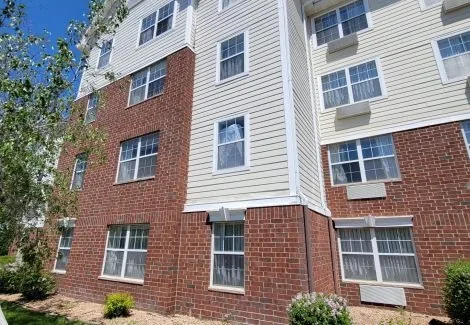
Our St. Louis Park project shows a hotel exterior repaint. See this commercial hospitality project in Our Work.
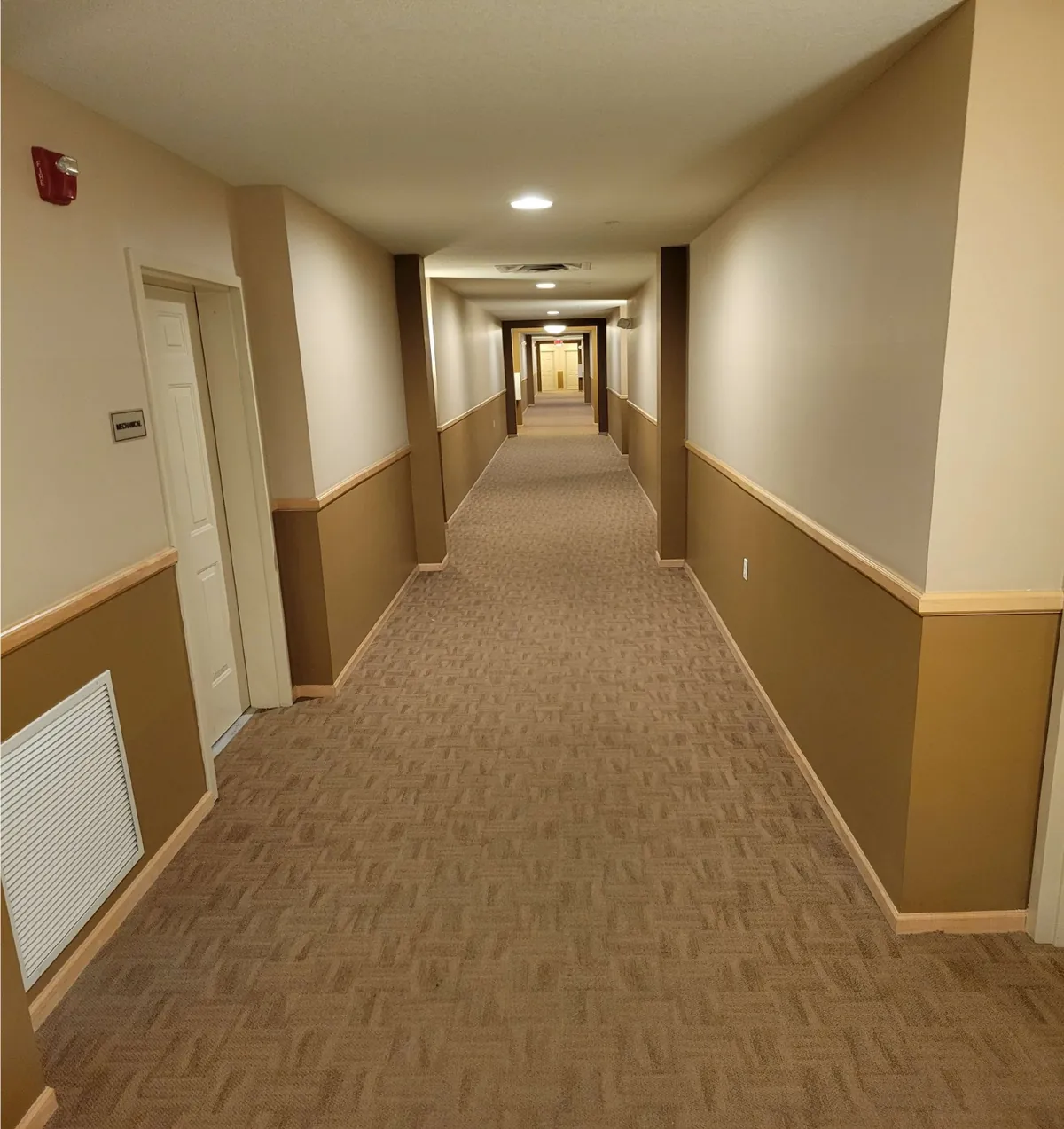
Senior-living hallway · St. Louis Park
What we see in St. Louis Park homes
Cape Cods and small ramblers.
The city's comprehensive plan says the most common house type in St. Louis Park is the Cape Cod or small rambler built during the housing boom after 1939. Much of the single-family housing stock is smaller one-story and 1.5-story homes on smaller lots.
Built before 1970.
Of the 11,623 single-family homes in the city in 2017, 96% were built before 1970. Homes in the older, more traditional neighborhoods have an average year built in the 1930s and 1940s, with the oldest built in the 1920s and earlier. Across all housing units, including apartments, the median year built is 1965 and about 66% were built before 1980.
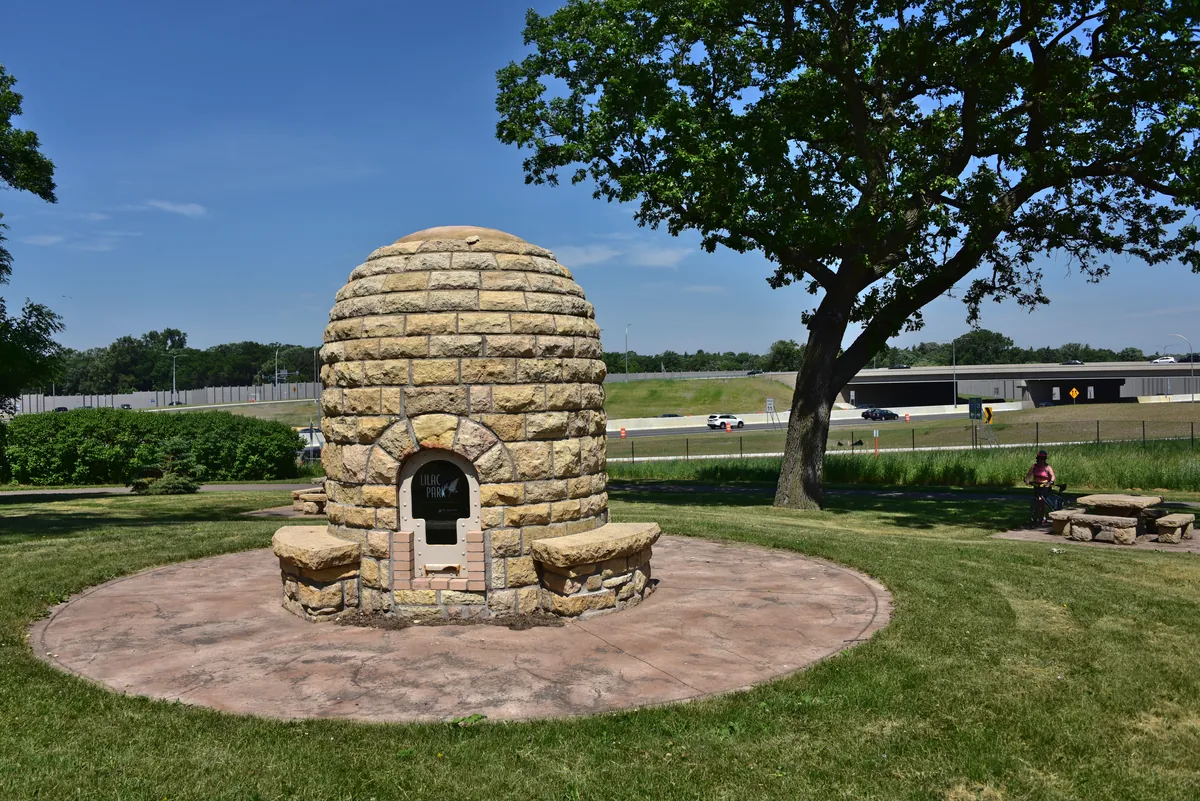
Lilac Park's WPA stone fireplace marks an earlier chapter of St. Louis Park's built landscape. On houses from the city's older building periods, keep paint work focused on suitable painted surfaces and look for water entry at wood-to-masonry joints after winter freeze-thaw.
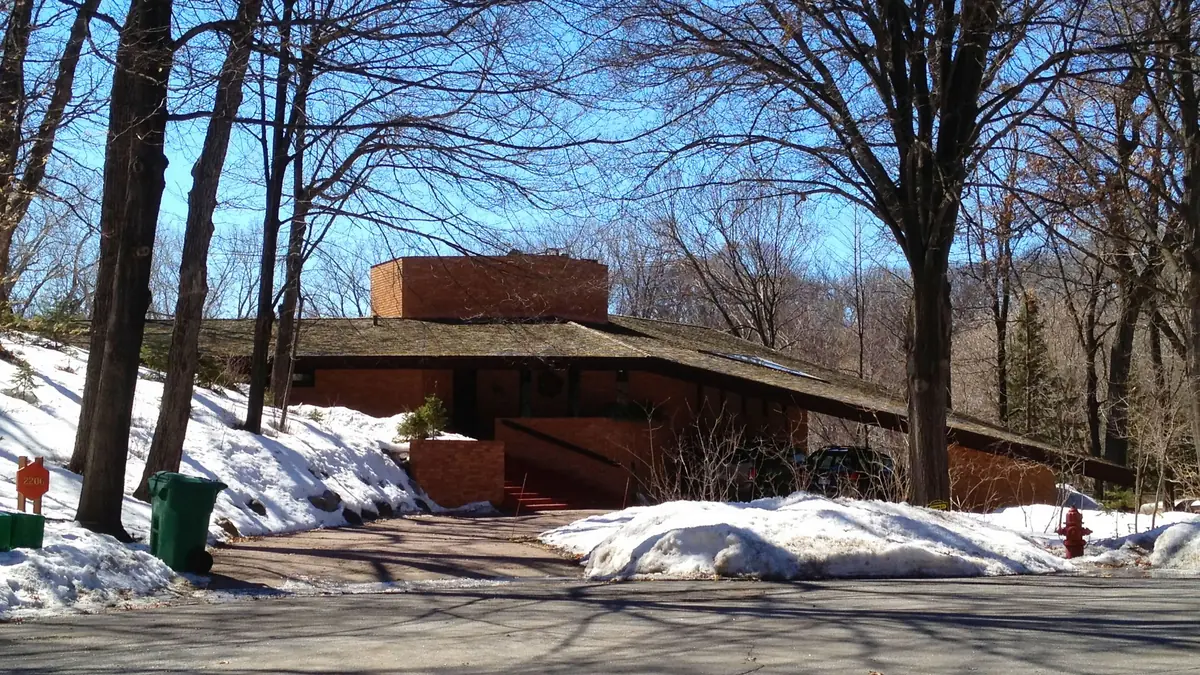
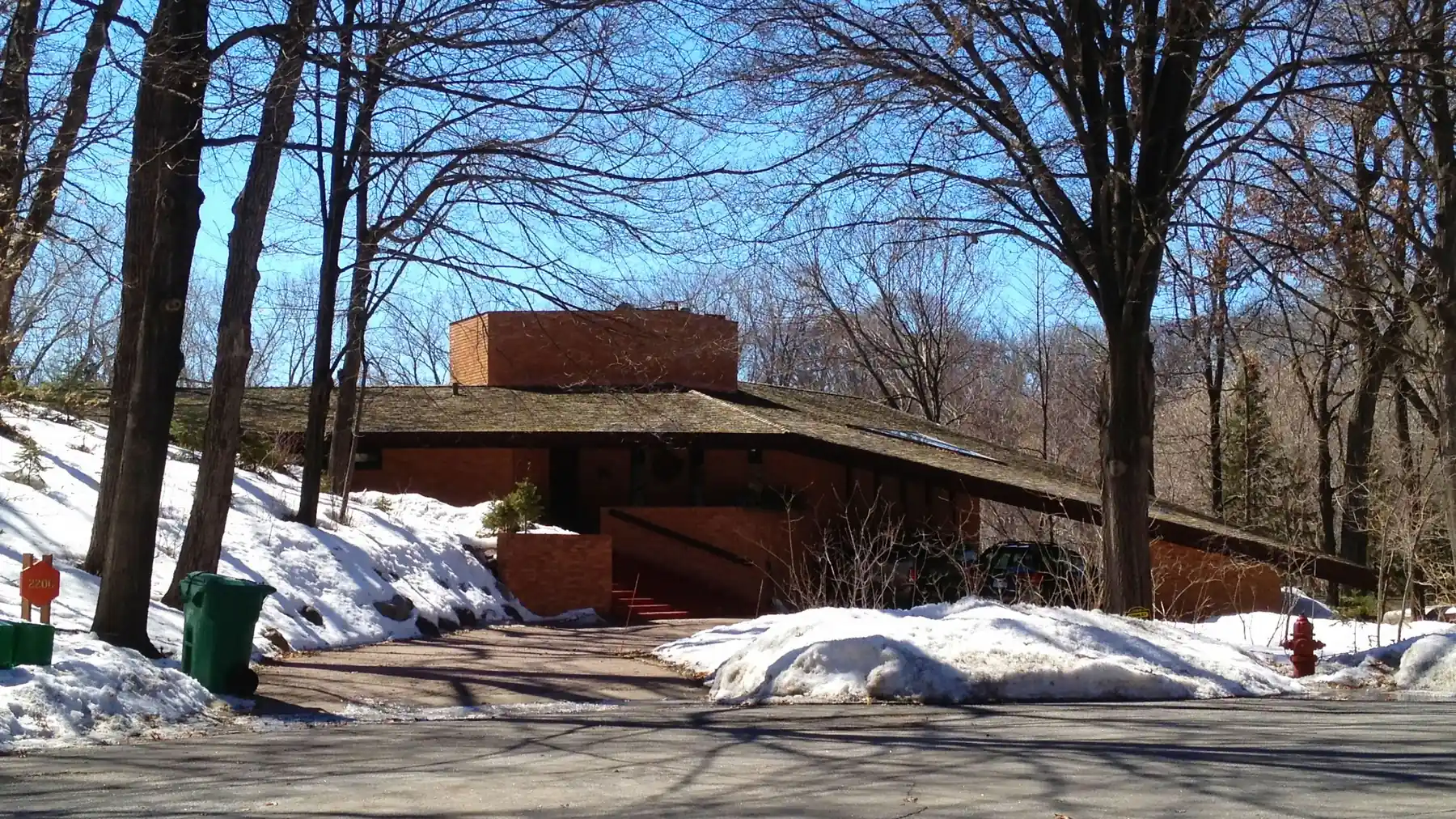
The Olfelt House's low roof and deep overhangs show a different side of St. Louis Park's midcentury homes. On a home with similar wood and masonry details, identify whether each wood surface is painted, stained or unfinished before selecting a coating or preparing the sheltered edges.
Lead-safe work.
Federal rules require anyone paid to disturb painted surfaces in a home built before 1978 to be certified. With nearly all of the city's single-family homes built before 1970, that covers most St. Louis Park houses, including painted cabinets and trim.
Inspections when you sell.
The city requires a property maintenance inspection whenever a home is sold or ownership is transferred, and the certificate must be presented to the buyer and title company at closing. The city's property maintenance code lists peeling paint or bare wood and rotted fascia boards among the exterior problems that must be corrected.
St. Louis Park painting FAQs
My Cape Cod still has its older wood kitchen cabinets. Is refinishing worth it?
For a lot of St. Louis Park kitchens, yes. We will look at the condition of your boxes and doors and tell you honestly whether refinishing makes sense.
My house was built in the 1940s. Are painted cabinets a lead concern?
They can be. If your home was built before 1978, the EPA renovation, repair and painting rule applies to paid work that disturbs painted surfaces, cabinets included. We will talk through containment and cleanup with you before we start.
I am getting ready to sell. Can you take care of exterior paint the city inspector flagged?
Yes. St. Louis Park lists peeling paint, bare wood and rotted fascia among the exterior problems that must be corrected. We can repair and repaint those areas before closing, when the city requires your property maintenance certificate.
My 1.5-story home has tight upstairs rooms. Can you still paint the slanted ceilings and knee walls?
Yes. Smaller one-story and 1.5-story homes make up much of the city's single-family housing. Slanted ceilings and knee walls take extra cutting in, and we include that in your estimate up front.
Helpful reading
Nearby areas
Project photos: Jose Oller / Oller Painting and Coatings